Start with the right information
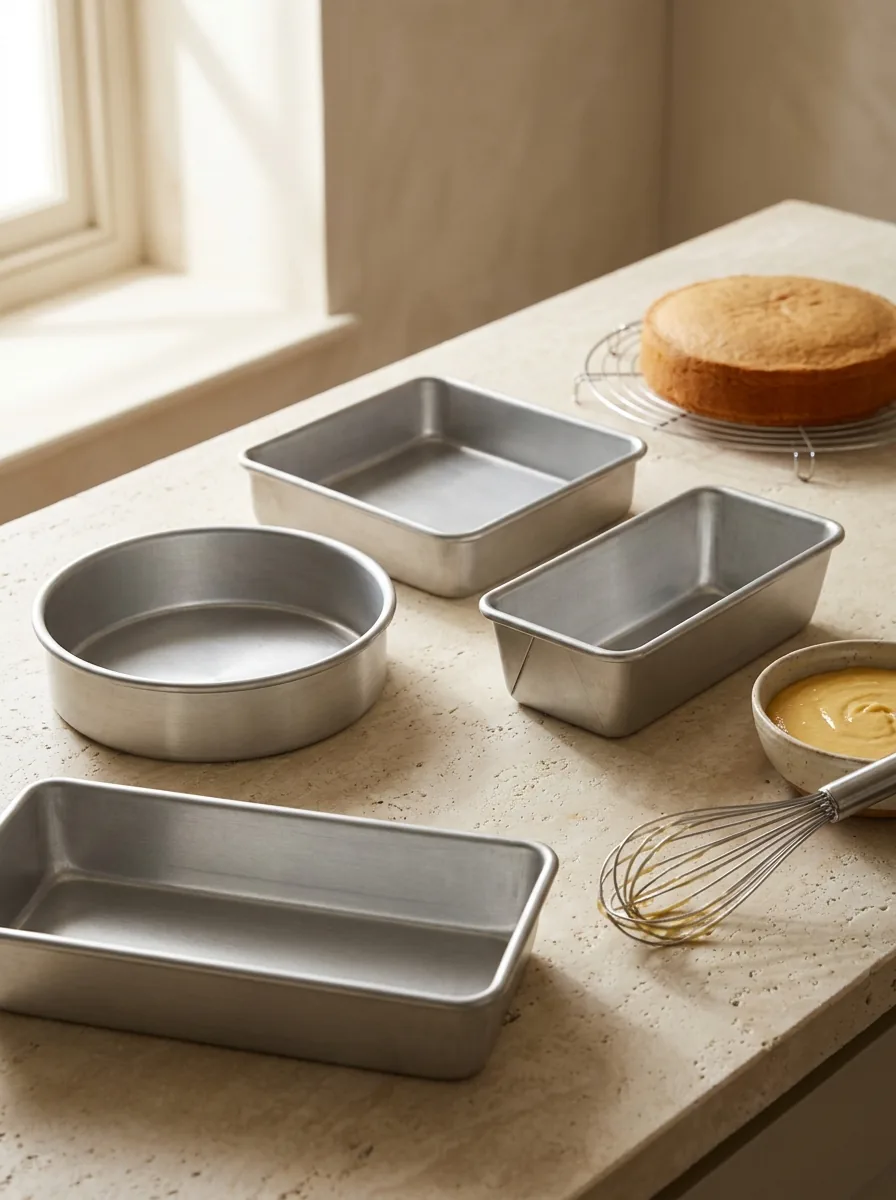
For the same batter depth, scale by the new tin area divided by the old area. A round tin area is π times radius squared; a rectangle is length times width. If batter depth changes, compare area multiplied by the intended depth. Tin height is not the same as batter depth.
Before using a calculation, write down the tin shape, internal dimensions and intended batter depth. These are the inputs that make the result useful for the recipe in front of you. Keep the original recipe or package nearby so you can check a number rather than guessing. A tool can carry out arithmetic consistently, but it cannot spot every mismatch between the food you have and the description you entered.
A useful reference
| Tin | Base area |
|---|---|
| 20 cm round | 314 cm² |
| 23 cm round | 415 cm² |
| 20 cm square | 400 cm² |
| 23 cm square | 529 cm² |
The reference above is intended for ordinary kitchen planning. Where figures depend on ingredient density, appetite or appliance behaviour, treat them as starting estimates. Use the recipe’s own gram weights, packet directions and equipment instructions when they are more specific. A tidy chart can make a number look exact even when the underlying assumption is only approximate, so keep that assumption alongside the result.
A worked example
Moving from a 20 cm round tin to a 23 cm round tin gives an area factor of about 1.32. At the same batter depth, multiply ingredients by that factor.
Use this example as a model for your own tin shape, internal dimensions and intended batter depth, not as a reason to replace the details of a different recipe. Write the starting quantity and the output with their units. Check whether the example refers to raw, dry, cooked or drained food and preserve that distinction. If an ingredient or vessel is described differently, stop and identify the difference before applying the same arithmetic.
Common mistakes to avoid
Do not multiply baking time by the area ratio. A taller cake may need a lower setting or longer time, while a shallow one often finishes sooner.
A second common problem is entering a number that seems familiar without checking what it represents. Household mugs, package serving sizes and oven symbols can hide different assumptions. Confirm the tin shape, internal dimensions and intended batter depth one at a time. If the result looks surprisingly large or small, recheck the entry before deciding the recipe is wrong. A calculator result should help you make a decision, rather than override the method or safety checks.
How to use the matching tool
Open the Cake Pan Converter and read its field labels before entering values. Use the same measurement basis for items being compared. Enter the tin shape, internal dimensions and intended batter depth as required, calculate once and check the explanation below the result. Validation can reject missing or negative values, but a plausible positive number can still be the wrong input. Keep your original notes so you can correct an entry without rebuilding the whole calculation.
After calculating, consider whether the output fits your equipment, the recipe yield and the people eating. For physical conversions, rounding to a practical measure can be sensible, but small quantities such as raising agents need more care. For planning tasks, check package sizes and ingredient availability. The tool’s written limitations are part of the result, especially where heat, food density, appetite or uneven portions affect what happens in practice.
Use it with an actual recipe
Try the process with Moist Chocolate Cake. Read the full ingredient list and method first, then decide what you need to change or plan. Keep unrelated parts of the recipe unchanged when possible. The calculation is most useful when it answers one clear question: the amount to buy, the quantity to mix, the starting setting or the timing needed for this particular dish.
Recipe example: Moist Chocolate Cake
Read the recipeMeasure before making changes
Use a scale for weights, a marked jug for liquid volumes and standard measuring spoons for small volumes. Set the scale on a flat surface and zero it with the container in place. Read jug markings at eye level and use level spoonfuls when that is what the recipe means. For this topic, tin shape, internal dimensions and intended batter depth should be recorded in a consistent way so the next calculation is based on the same information.
If you change measuring systems, make a separate written list rather than mentally switching between grams, ounces and cups while cooking. A list helps prevent using the converted amount for one ingredient and the original amount for another. Keep decimal precision where it affects the calculation, then round only at the final practical measuring stage. Weigh a partial beaten egg when scaling requires one; do not estimate it by eye if structure matters.
Keep assumptions visible
The key assumptions for this guide concern tin shape, internal dimensions and intended batter depth. Write those beside the output, especially if you share the result with someone else or save it for a later batch. A number without its context can be misleading: dry weight differs from cooked weight, a fan setting differs from a conventional setting and a tin’s full height differs from intended batter depth. A clear label is often as important as the arithmetic itself.
Treat kitchen estimates as an aid to judgement. Density values vary with ingredient preparation, portion preferences vary between households and cooking time varies with equipment. Label-derived nutrition and package-price calculations are only as current as the numbers supplied. None of these estimates are a medical recommendation or a guarantee of an identical result. Follow food-safety guidance independently of a calculated serving size, timing or cost.
Make one adjustment at a time
When this guidance leads you to change a recipe, keep a short record of the original tin shape, internal dimensions and intended batter depth, the output and what you actually did. One adjustment is easier to assess than several simultaneous swaps. If the result changes texture or timing, you can then identify a likely cause. The same habit is useful for shopping or meal planning: compare the plan with what the household ate before revising the next week’s amounts.
You do not need a complicated spreadsheet for this. A note beside the recipe can record a new tin size, an oven setting, a packet quantity or a portion that suited your household. Use that record as a practical reference rather than treating one attempt as proof that the adjustment will work in every dish. Ingredients and circumstances change, so check the relevant details each time you reuse a saved calculation.
Plan the cooking sequence as well as the numbers
A correct quantity does not automatically create an easy cooking session. Read the method to see which ingredients need preparing first, which stages can overlap and which need uninterrupted attention. Put the equipment out before heating the pan. If a dish needs chilling, rising, cooling or resting, add that period to your plan rather than counting only the active preparation and cooking figures shown on a card.
Keep raw meat or fish separate from finished food, clean utensils between those stages and leave space for safe cooling of leftovers. A scheduling tool can tell you when to start, but you still need to check whether equipment is free and whether food is properly cooked. Portion and conversion calculations should support those checks, never replace them. Current Food Standards Agency advice is linked below for the safety details.
Check the output before saving it
Recheck the tin shape, internal dimensions and intended batter depth against the source before copying a result or adding it to a plan. Look for a missing decimal point, a unit mismatch or a quantity copied from the wrong ingredient. Read the output aloud with its unit if that helps: a mass, a volume, a temperature and a time are different kinds of answer. It should be clear what action the result is asking you to take.
The planner and shopping list on this site use storage in the current browser. They do not synchronise between devices or create an account. Copy or print important plans if you want a separate record. Other calculators work on the page and do not send your entries to a nutrition service or retailer. If clipboard permission is unavailable, the result remains visible so you can select and copy the text manually.
Questions and answers
Can I compare a round and square tin?
Yes, using their base areas and intended batter depths. Corner areas and heat distribution can still change browning and baking time.
What if the result differs from my recipe instructions?
Check that the measurement basis and equipment match. The recipe or appliance instructions may be more specific than a general reference. Use the tool as a starting aid and keep doneness, safe handling and the recipe’s structure in view.
Can I save the calculation for another day?
You can copy or print a result where the page offers those controls. Keep its units and assumptions with it. A saved number still needs checking if the ingredient, appliance, packet price, portion count or recipe changes.
Food Standards Agency: cooking and leftovers · Food Standards Agency: home food fact checker