A useful place to start
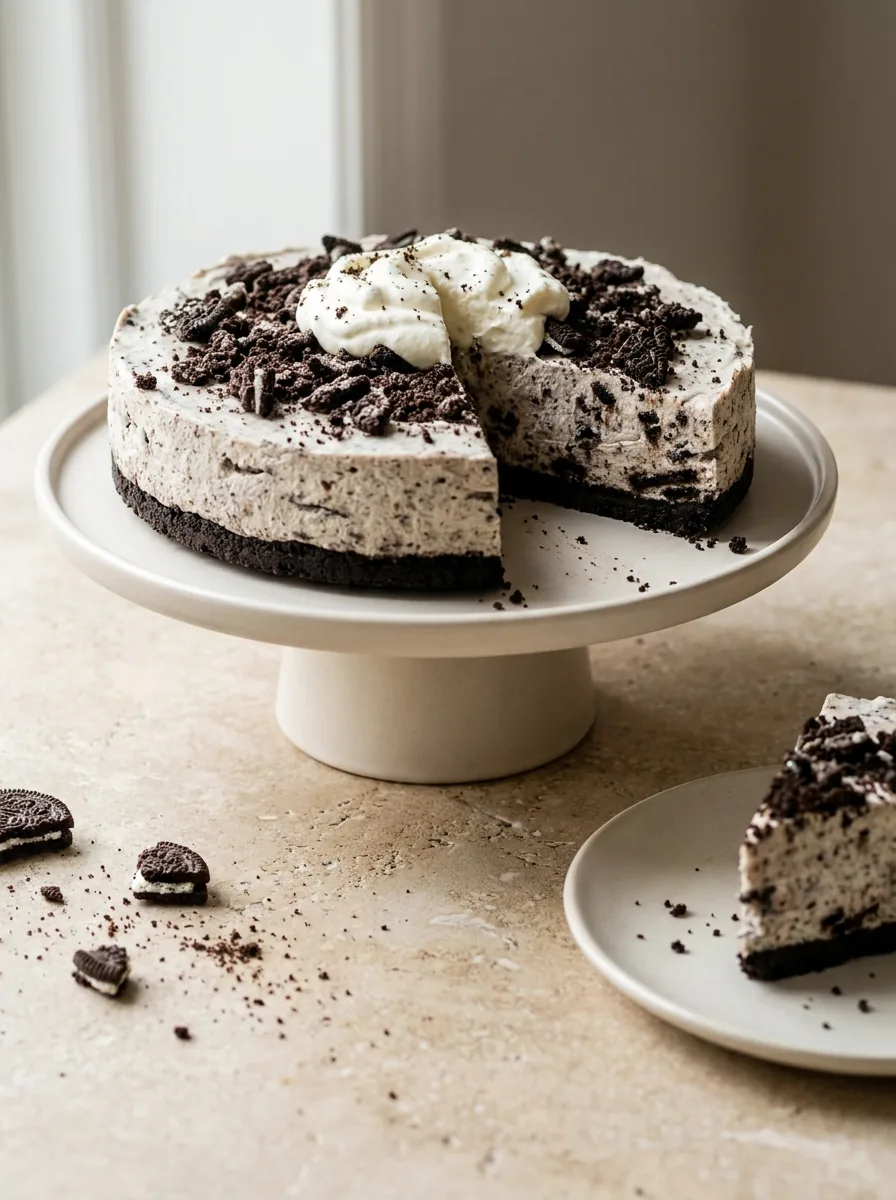
Biscoff Cheesecake brings together Biscoff biscuits, butter, full-fat cream cheese in a method designed around ordinary home-kitchen equipment. The recipe below gives you the quantities, cooking sequence and finishing cues in one place. Read it through before starting, especially if you need to allow a separate chilling, proving or resting period. Chilling time is separate from active preparation. Use the related tools when you need different servings or equipment.
The ingredient list makes 12 servings. That is a recipe yield, rather than a fixed appetite target: a side dish or dessert can be divided differently at the table. Measure the main ingredients before heating a pan or mixing the batter, and check that your vessel has enough room. Keep refrigerated until serving. Any optional addition should suit the dish and be checked for allergens alongside the original ingredients.
Why this recipe works
Chilling time is separate from active preparation. That detail controls an important part of the texture rather than simply adding another instruction. A chilled dessert needs its setting period even though no oven is involved. Use the stated cream and cheese types, keep mixtures cool where directed, and choose containers that match the intended portions. Cover them before storing in the fridge. Do not assume freezing briefly is equivalent to proper chilling: the outside can firm while the centre remains loose, and texture can change after thawing.
The method separates preparation from the stages where heat, moisture or setting time matter most. Keeping the stated order gives you a chance to check the mixture before moving on. Reduced-fat cheese may not set as firmly. If you make that adjustment, keep the rest of the recipe close to the original on the first attempt so you can judge what changed and whether the balance suits your own kitchen.
Ingredient notes for Biscoff Cheesecake
Biscoff biscuits
Choose Biscoff biscuits in the form named in the ingredient list, and measure it before you start cooking. Fresh, dried, concentrated and sweetened versions can behave differently, even when the package names look similar. Read the label for storage instructions and allergens. Prepare it as described in the method so it mixes, softens or browns at the right stage rather than being added as an afterthought.
Butter
The temperature of butter matters. Softened butter should give slightly when pressed but should not look oily or melted. Melted butter should cool before it meets eggs or a cold filling. Use unsalted butter when you want control over seasoning, and read any separate amounts carefully: butter for a topping or sauce may be listed in addition to the main mixture.
Full-fat cream cheese
Use the full-fat soft cream cheese specified for this filling. It supplies structure as well as a tangy flavour, while reduced-fat versions contain a different balance of water and fat and may give a looser result. Drain any liquid before mixing, keep the cheese refrigerated until needed and beat only until smooth. Allow the full chilling time before slicing or serving.
Double cream
Check that you have the cream specified in the ingredient list. Double cream has more fat than single cream and behaves differently when whipped or heated. In a savoury sauce, keep it at a gentle simmer rather than a rolling boil. In a chilled filling, use it cold and stop whipping at the stated stage; overwhipped cream becomes grainy and is harder to fold.
Biscoff spread
Choose Biscoff spread in the form named in the ingredient list, and measure it before you start cooking. Fresh, dried, concentrated and sweetened versions can behave differently, even when the package names look similar. Read the label for storage instructions and allergens. Prepare it as described in the method so it mixes, softens or browns at the right stage rather than being added as an afterthought.
Icing sugar
The sugar type affects texture as well as sweetness. Caster sugar dissolves readily, while brown sugar brings moisture and a darker flavour. Icing sugar is intended for a smooth filling or glaze and cannot simply replace the same weight of coarse sugar everywhere. Measure the listed amount first; reducing sugar in a baked mixture can change spreading, setting and browning as well as taste.
How to make Biscoff Cheesecake
Step 1
Crush biscuits and mix with melted butter. Have the ingredients and equipment for the next stage ready before continuing. Work in the order shown so you can check the texture while it is still easy to adjust. Use clean utensils for finished food, taste only when the ingredients are safe to eat, and make small changes rather than adding a large amount of liquid or seasoning at once.
Step 2
Press into the base of a lined 20 cm springform tin and refrigerate. The fridge time gives the ingredients time to hydrate or set. Keep the container covered so the surface does not dry out or absorb other food smells. A large, tall mixture cools more slowly than small portions, so use the stated dish size. The active preparation time shown above does not include a separate long chilling period: read the method before deciding when to begin.
Step 3
Beat cream cheese, spread and icing sugar until smooth. Have the ingredients and equipment for the next stage ready before continuing. Work in the order shown so you can check the texture while it is still easy to adjust. Use clean utensils for finished food, taste only when the ingredients are safe to eat, and make small changes rather than adding a large amount of liquid or seasoning at once.
Step 4
Whip cream separately to soft peaks and fold into the cheese mixture. Use a flexible spatula to reach the bottom of the bowl and bring the mixture over itself. Rotate the bowl as you work so you do not leave pockets of flour underneath. Stop when the mixture is evenly combined. Beating vigorously at this stage can toughen a flour-based mixture or remove air from whipped cream, so a gentle, thorough fold is more useful than speed.
Step 5
Spread over the base and refrigerate for at least 6 hours. The fridge time gives the ingredients time to hydrate or set. Keep the container covered so the surface does not dry out or absorb other food smells. A large, tall mixture cools more slowly than small portions, so use the stated dish size. The active preparation time shown above does not include a separate long chilling period: read the method before deciding when to begin.
Step 6
Release from the tin only when firmly set. Have the ingredients and equipment for the next stage ready before continuing. Work in the order shown so you can check the texture while it is still easy to adjust. Use clean utensils for finished food, taste only when the ingredients are safe to eat, and make small changes rather than adding a large amount of liquid or seasoning at once.
Allowing a dessert to set
A chilled dessert needs its setting period even though no oven is involved. Use the stated cream and cheese types, keep mixtures cool where directed, and choose containers that match the intended portions. Cover them before storing in the fridge. Do not assume freezing briefly is equivalent to proper chilling: the outside can firm while the centre remains loose, and texture can change after thawing.
Substitutions and variations
Reduced-fat cheese may not set as firmly. Make that change before considering other adjustments, then taste or inspect the result as the method allows. A substitute can change moisture, salt, texture or browning even when the quantity looks similar. Check package labels for allergens and vegetarian suitability where relevant. If the change concerns a structural baking ingredient, use the substitute finder’s limitations as well as its suggested ratio.
For biscoff cheesecake, start by changing a finishing flavour or accompaniment rather than several main ingredients at once. Fresh herbs, a little citrus or the side dish can change the meal without rebuilding its cooking method. Keep very wet additions separate until you understand how they affect the mixture. A topping is optional, but include its ingredients in your shopping list and any nutrition estimate if you use one.
Serving and planning
Keep refrigerated until serving. Prepare that accompaniment while the main dish cooks or sets so the finished recipe does not sit waiting unnecessarily. If there are several dishes, write down the serving time and work backwards from each preparation, cooking and resting period. Check equipment as well as time: one oven cannot always run two different temperature settings at once, and a small air fryer may need separate batches.
Storage, freezing and reheating
Keep this finished dish covered in the fridge and use within 48 hours, or sooner if any ingredient’s use-by date requires it. Put chilled portions back promptly after serving. There is no reheating stage for the chilled method. Freezing can change dairy fillings and fruit texture, so it is not the preferred storage route; make a smaller quantity when you need fewer portions.
Texture can change after storage even when food has been handled safely. Crisp coatings soften, sauces may thicken and baked crumbs can dry out. Reheat only the portion you intend to eat, and use a method suited to the dish. A small splash of water can loosen a savoury sauce, but it does not replace thorough heating. Label stored portions so you know what they contain and when you made them.
Questions before you cook
Can I make biscoff cheesecake for fewer people?
Yes: scale ingredient quantities by the desired yield divided by the original yield. Use a vessel that keeps the intended food depth or allows space between pieces. Do not multiply or divide the temperature by that factor, and begin checking around the method’s stated cues.
Can I prepare ingredients in advance?
You can measure dry ingredients, prepare suitable vegetables and organise equipment ahead. Keep perishable ingredients refrigerated and raw meat separate. Do not mix a raising-agent batter far ahead unless the method specifically includes a resting or chilling stage.
Why might my cooking time differ?
Food size, pan material, oven behaviour and batch size all change the rate of cooking. Use the stated times as a guide alongside the texture and safety checks. Record a sensible adjustment for your own equipment rather than assuming every kitchen matches the timing exactly.
A practical check before starting
Set out the equipment for biscoff cheesecake before measuring the ingredients. Use a stable chopping board, a bowl large enough for mixing and a pan or tin suited to the method. Clear a safe space for hot dishes and keep a clean plate ready if cooked ingredients need to come out of the pan. This avoids handling a hot vessel while searching for a utensil or accidentally reusing something that touched raw food.
If you are cooking the recipe for the first time, stay close to the listed ingredients and write down any changes you make. Your own oven, pan and preferred portion size are useful things to learn from one attempt. A new recipe is easier to assess when only one variable changes. The supplied photograph is an illustration of the dish, not evidence that this particular recipe has been kitchen-tested.
Biscoff Cheesecake
Yield: 12 servings · Prep 25 min · Cook 0 min
Additional chilling or proving time is stated in the method.
Ingredients
Method
- Crush biscuits and mix with melted butter.
- Press into the base of a lined 20 cm springform tin and refrigerate.
- Beat cream cheese, spread and icing sugar until smooth.
- Whip cream separately to soft peaks and fold into the cheese mixture.
- Spread over the base and refrigerate for at least 6 hours.
- Release from the tin only when firmly set.
Two Spoon note
Chilling time is separate from active preparation.
Save image to Pinterest